Samsung Air Conditioner Troubleshooting
- May 06, 2023
- Troubleshooting
Samsung air conditioners are known for their reliability, quiet performance and energy-efficient inverter technology. However, like any mechanical system, they can occasionally develop issues due to wear, electrical faults or lack of maintenance.
If your Samsung air conditioner is not cooling, leaking water, flashing lights or refusing to turn on, there are several troubleshooting steps you can try before calling a technician.
This guide covers the most common Samsung air conditioner problems, possible causes and how to fix them. We’ll also explain error codes, electrical faults, model-specific troubleshooting and when professional repairs are required.
Most Samsung air conditioner problems are caused by dirty air filters, incorrect thermostat settings, blocked drainage pipes, refrigerant issues or electrical faults such as PCB board or capacitor failure. Many minor issues can be resolved with basic troubleshooting, while complex faults require professional repair.
How Samsung Air Conditioners Work

Samsung split system air conditioners consist of two main units:
- Indoor unit – contains the evaporator coil and blower fan
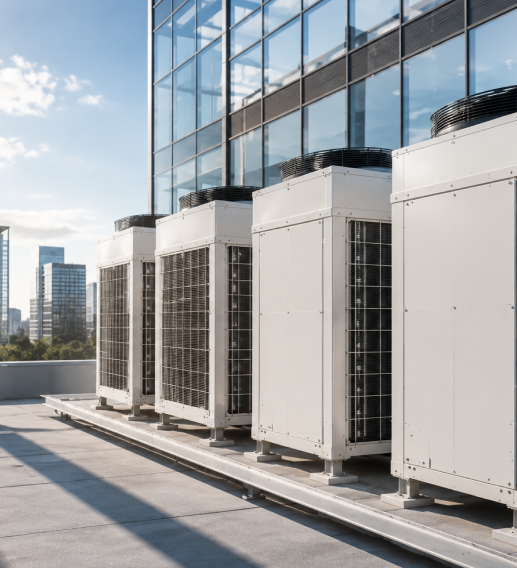
- Outdoor unit – contains the compressor and condenser
- Refrigerant lines – circulate refrigerant between units
- PCB control board – controls the system’s electronics
If any component in this process stops working correctly, the system may fail to cool effectively.
10 Common Samsung Air Conditioner Problems
Below are the most frequently reported issues with Samsung air conditioners.
Samsung AC Not Turning On
If your Samsung air conditioner will not start, the issue is usually related to the electrical supply or system controls.
Possible Causes
- Circuit breaker switched off
- Outdoor isolator turned off
- Flat remote control batteries
- Faulty PCB control board
- Voltage fluctuation damage
Troubleshooting Steps
- Check the circuit breaker labelled air conditioner.
- Inspect the outdoor isolator switch.
- Replace remote batteries.
- Perform a hard reset by turning off power for 30 minutes.
If the system still does not start, a PCB board or electrical fault may be present.
Samsung Air Conditioner Not Cooling
A Samsung air conditioner that runs but does not cool the room can be frustrating.
Common Causes
- Incorrect cooling mode
- Dirty air filters
- Blocked air vents
- Refrigerant leak
- Compressor malfunction
Quick Fix
Ensure the system is set to cool mode, clean the filters and check that vents are unobstructed.
If cooling problems persist, a technician may need to check refrigerant pressure or compressor performance.
Samsung AC Leaking Water
Water leaks are a common air conditioning problem.
Causes
- Blocked condensate drain pipe
- Frozen evaporator coil
- Dirty air filters
- Damaged drain pan
What To Do
Turn the air conditioner off to stop additional condensation and allow the system to drain.
Routine servicing normally prevents water leaks.
Samsung AC Flashing Lights
Flashing lights on a Samsung air conditioner usually indicate an error code or system fault.
Common Causes
- Sensor malfunction
- Indoor-outdoor communication error
- Compressor fault
- PCB board error
Perform a hard reset by switching off the power for 30 minutes.
If the lights continue flashing, professional diagnosis is recommended.
Samsung Air Conditioner Remote Not Working
Remote control issues are often simple to fix.
Possible Causes
- Flat batteries
- Signal obstruction
- Faulty receiver board
Troubleshooting
Replace the batteries and ensure the remote is within 6 metres of the indoor unit.
If the issue continues, the receiver board inside the air conditioner may be faulty.
Samsung Air Conditioner Making Loud Noise
Samsung air conditioners are designed to operate quietly.
Unusual noises may indicate mechanical issues.
| Noise | Possible Cause |
| Clicking | Normal during startup |
| Rattling | Loose components |
| Squealing | Fan motor issue |
| Buzzing | Electrical or capacitor fault |
Persistent noise should be inspected by a technician.
Samsung AC Smells Bad
Air conditioners themselves do not produce smells, but mould or dust accumulation inside the system can cause odours.
Common causes include:
- dirty air filters
- mould growth on evaporator coil
- stagnant water in the drainage system
Cleaning the system or scheduling professional maintenance typically resolves the issue.
Samsung AC Not Turning Off
If your air conditioner does not shut down, the issue may be related to the remote control or system settings.
Possible causes include:
- remote control malfunction
- auto-clean mode activated
- thermostat fault
- PCB board malfunction
Replacing the remote batteries often resolves this issue.
Samsung AC Error Codes Explained
Samsung air conditioners display diagnostic error codes when a fault occurs.
| Error Code | Meaning | Possible Fix |
| E1 | Indoor temperature sensor fault | Replace sensor |
| E2 | Evaporator sensor error | Sensor inspection |
| E3 | Outdoor communication fault | Check wiring |
| E5 | Indoor-outdoor communication error | System reset |
| E6 | Fan motor fault | Motor inspection |
| E9 | Water overflow protection | Clear drain pipe |
If error codes persist after a reset, professional inspection is recommended.
Samsung Inverter AC Troubleshooting
Samsung inverter air conditioners use advanced electronics to control compressor speed and energy consumption.
Common Inverter Issues
| Problem | Possible Cause |
| AC turns on then off | inverter board fault |
| fan speed fluctuates | sensor malfunction |
| unit not cooling | refrigerant leak |
| outdoor unit not running | compressor problem |
Inverter systems rely heavily on electronic control boards, making electrical faults more common than mechanical failures.
Electrical Causes of Samsung AC Failures
Electrical issues are responsible for many air conditioning breakdowns.
PCB Board Failure
The Printed Circuit Board (PCB) controls the air conditioner’s internal communication.
It manages:
- fan motor speed
- compressor operation
- temperature sensors
- indoor-outdoor communication
When the PCB fails, the system may display error codes, flashing lights or unpredictable behaviour.
Capacitor Problems
Capacitors store electrical energy used to start motors.
When capacitors fail, the air conditioner may experience:
- weak airflow
- buzzing sounds
- compressor startup issues
Capacitors usually require replacement during servicing.
Voltage Fluctuations
Power supply fluctuations can damage sensitive air conditioning components.
Common symptoms include:
- system not turning on
- fan motor malfunction
- PCB board failure
Installing voltage protection devices can help prevent damage.
Samsung Air Conditioner Maintenance Checklist
Routine maintenance helps prevent many common issues.
Monthly Maintenance
- clean air filters
- inspect air vents
- check remote batteries
Every 6 Months
- inspect evaporator coil
- clean drain lines
- check outdoor unit for debris
Annual Professional Service
- refrigerant pressure test
- electrical inspection
- fan motor maintenance
- PCB diagnostics
Regular servicing extends the lifespan of your system.
Samsung AC Troubleshooting Quick Guide
| Problem | Likely Cause | Quick Fix |
| AC not turning on | power issue | check breaker |
| AC not cooling | dirty filters | clean filters |
| AC leaking water | blocked drain | clear pipe |
| AC flashing lights | error code | reset system |
| Remote not working | battery issue | replace batteries |
| AC smells bad | dirty coil | clean system |
Technician Tip
During air conditioning inspections in Brisbane, one of the most common causes of Samsung AC problems we see is dirty air filters restricting airflow. This often leads to frozen coils and water leaks. Cleaning filters regularly helps prevent many common breakdowns.
Final Thoughts
Samsung air conditioners are reliable systems, but occasional faults can occur due to maintenance issues, electrical failures or airflow restrictions.
Understanding common problems such as cooling issues, water leaks, error codes and electrical faults helps homeowners troubleshoot basic issues before calling a technician.
If problems persist, professional servicing ensures your system continues operating safely and efficiently.
Brisbane Samsung Air Conditioning Repair Experts
If your Samsung air conditioner still isn’t working after troubleshooting, the issue may require professional repair.
At Sun City Air, our air conditioning technicians in Brisbane, Australia diagnose and repair Samsung systems including:
- PCB control board faults
- capacitor failures
- refrigerant leaks
- compressor issues
- electrical problems
If your air conditioner is not operating properly, our team can inspect the unit and provide a free quote for air conditioning repairs in Brisbane, Australia.
Frequently Asked Questions
Why is my Samsung air conditioner not cooling?
A Samsung air conditioner may stop cooling due to dirty air filters, incorrect thermostat settings, blocked vents or refrigerant issues. Cleaning filters and ensuring the system is set to cooling mode often resolves the problem, but persistent issues may require professional inspection.
Why is my Samsung AC flashing lights?
Flashing lights on a Samsung air conditioner usually indicate an error code or system fault. This may occur due to sensor failure, communication issues between indoor and outdoor units or electrical faults. Performing a hard reset may resolve the issue temporarily.
What does a Samsung AC error code mean?
Samsung air conditioner error codes indicate specific system faults detected by the control board. These codes help identify problems such as sensor failures, fan motor issues or communication errors between indoor and outdoor units.
Why is my Samsung air conditioner leaking water?
Water leaks are commonly caused by blocked drain pipes, frozen evaporator coils or dirty air filters. Turning the system off and allowing the water to drain can prevent further leakage. Regular servicing usually prevents this issue.
When should I call an air conditioning technician?
If troubleshooting steps do not resolve the issue or if the system displays error codes, flashing lights or electrical faults, it is best to contact a technician. Professional diagnosis ensures safe operation and prevents further damage.